Seattle winter moving sounds like a great deal on paper. Rates drop, schedules open up, and you get more booking flexibility than you'd ever find in June. But the people who move without problems in winter aren't the ones who found the lowest price. They're the ones who asked the right questions before signing anything.
Seattle Winter Moving Is a Different Kind of Job
Seattle winter moving puts conditions on the table that don't exist in summer. Rain is almost guaranteed. Temperatures hover near freezing from December through February. Streets in neighborhoods like Queen Anne, Capitol Hill, and Magnolia slope steeply, and wet pavement changes how a crew moves heavy furniture safely.
A crew that handles 20 summer moves a week can still be completely underprepared for what winter asks of them. The gap isn't always experience. It's preparation.
What Changes When the Weather Does
Cold and wet conditions affect the job in concrete ways. Cardboard boxes absorb moisture fast. Furniture pads can slip on wet truck floors. Wooden floors inside homes take damage from boots tracking in water repeatedly. A prepared crew accounts for all of this before the truck even leaves.
That preparation shows up in specific ways. A well-equipped crew brings furniture covers that are water-resistant, not just padded. They use floor runners inside the home. They stage items under cover before loading when possible. They adjust pacing on icy steps rather than rushing to finish.
The Real Risk With Budget Crews in Winter
Off-season pricing attracts crews that fill slow calendars with whatever work they can get. That's not a judgment. It's a market reality. But a lower winter rate sometimes reflects a crew without the certifications, training, or equipment to handle Seattle's specific winter conditions safely.
The financial risk is real. Damaged furniture comes from improper padding. Water damage to floors comes from a crew that skipped floor protection. A move that runs twice as long because the team wasn't ready for the weather adds unexpected hours to your bill. The savings from a cheaper quote can disappear fast. Working with a fully licensed and insured Seattle moving company removes that risk from the start.

Cold Weather Moving Tips Seattle Homeowners Often Skip
Most cold weather moving tips Seattle homeowners come across focus on packing. Use plastic bins instead of boxes, seal electronics in bags, that kind of thing. Those tips are useful. But the bigger preparation gap is usually on the logistics side, not the packing side.
Winter moving in the rain in Seattle requires a different kind of coordination between you and your moving crew before move day. This applies whether you're booking local moving services across the city or planning something bigger.
Confirm the Crew's Wet-Weather Gear Before Booking
Ask directly. A prepared company will answer without hesitation. You're looking for confirmation that they carry floor runners or carpet shields, that their blankets and pads work outdoors, and that their trucks have proper tie-down systems so items don't shift on a wet road.
This isn't an unreasonable ask. It's the same kind of question you'd ask a contractor before a renovation. A moving company with real Seattle winter experience will give you a clear, confident answer.
Build Extra Time Into Your Move Day
Winter daylight in Seattle runs short. By 4:30 PM in December, it's dark. If your move starts at noon and runs longer than expected, you finish in the dark, in the cold, and often still in the rain. Book your start time earlier than you think you need to.
Build buffer time into your schedule for these common winter slowdowns:
- Ice or black ice on driveways and loading areas
- Slower pace on stairs due to wet conditions
- Extra wrapping time for items that need moisture protection
- Traffic delays from weather-related congestion

What Separates a Prepared Crew From a Cheap One
Long-distance moving Seattle customers face the same evaluation problem in winter as local movers, just with higher stakes. A long-distance move in winter means your belongings travel in conditions you can't monitor. Crew preparation carries even more weight.
The filter that separates a prepared company from a cheap one isn't a single question. It's a pattern of answers.
Licensing and insurance are the starting point. In Washington State, moving companies must register with the UTC (Utilities and Transportation Commission). You can verify this directly at the UTC website. Insured movers carry liability coverage for your belongings, and uninsured ones leave you unprotected if something breaks.
Certifications go a layer deeper. The American Moving and Storage Association offers the ProMover certification program. Companies with this designation agree to a code of conduct and meet verified standards. It's not a guarantee of a perfect move, but it signals a company that operates professionally.
Track record gives the most honest picture. Look at reviews from winter months specifically. Look for reviews that mention weather conditions, stairs, or difficult access. A company with documented success in Seattle winter conditions is a much safer bet than one with strong summer ratings and nothing from January.
The Best Time to Move to Seattle in Winter Is When You Book the Right Crew
The best time to move in Seattle comes down to more than the calendar month. Winter offers real advantages. Lower demand, more crew availability, and easier parking in residential neighborhoods are all genuine benefits worth using.
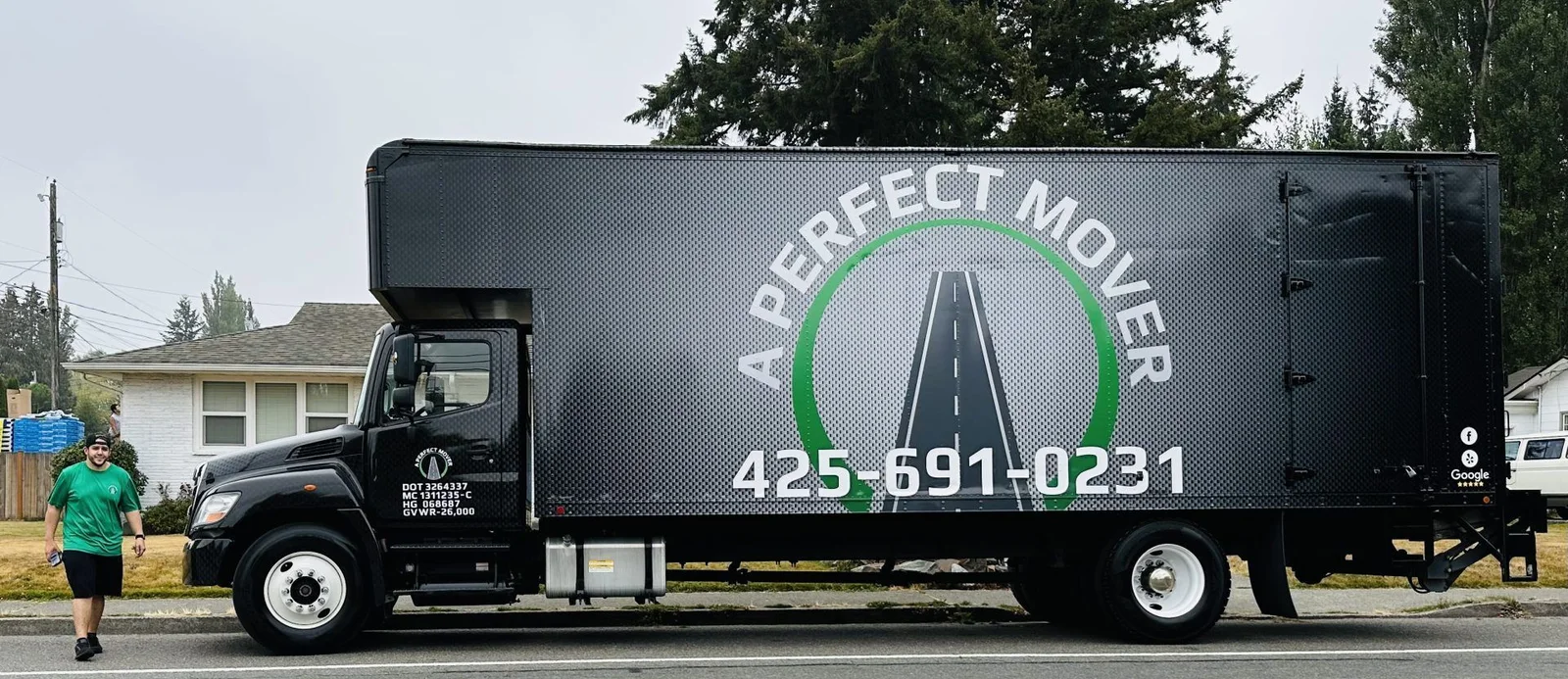
But those advantages only pay off if the company you hire is equipped to work in those conditions. A crew that performs well in Seattle winter moving knows the city's hills, carries wet-weather gear, holds proper licensing, and has a track record of moving people safely when conditions make it hard. If you want to see what that preparation looks like in action, the A Perfect Mover about page lays out exactly how the team approaches every move.
The rate comparison comes second. A lower price from an unprepared crew is still a bad deal.